Where to Stay in Tokyo: Best Areas for First-Time Visitors
Some links on this page are affiliate links. If you book or buy through them we may earn a commission at no extra cost to you. We only recommend things we would use ourselves.
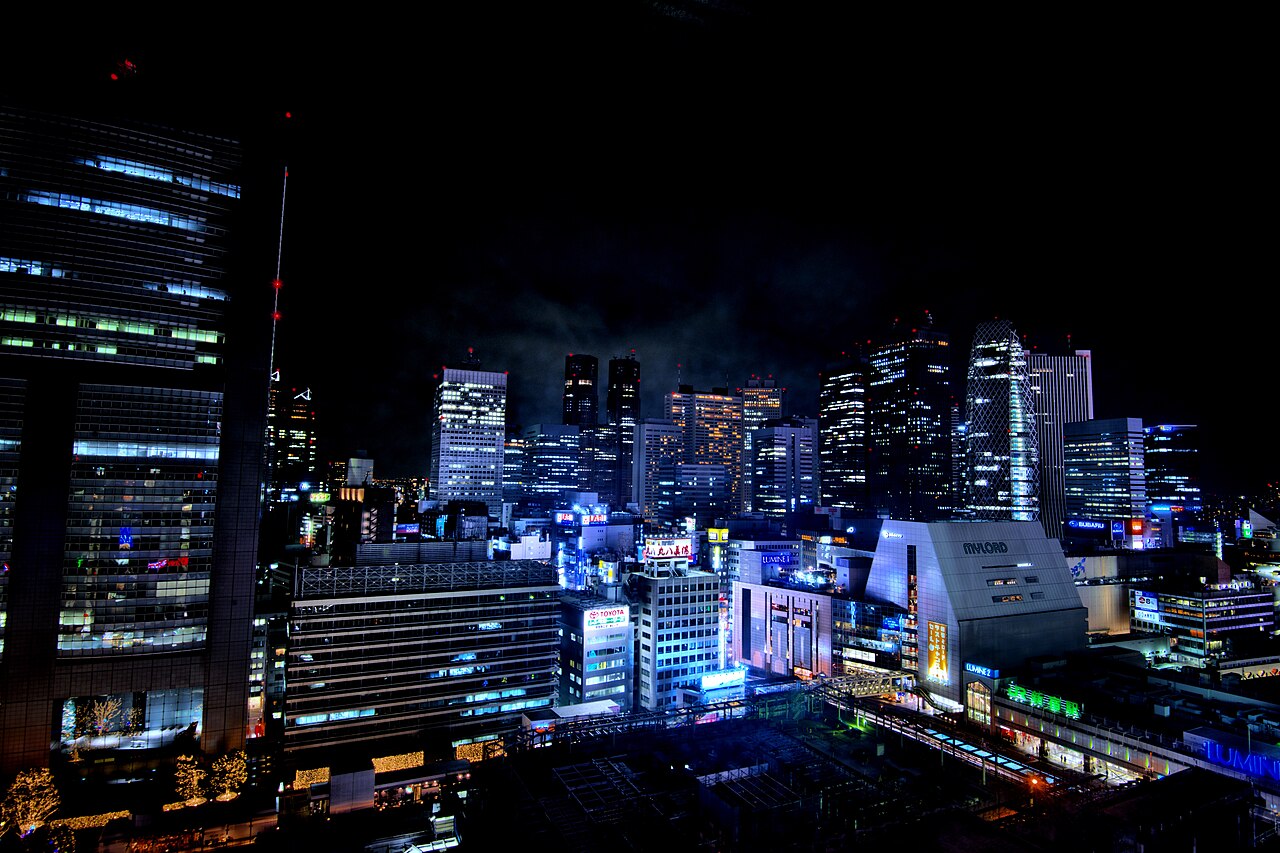
For most first-time visitors, Shinjuku is the easiest Tokyo base because of the sheer number of rail lines that meet there. If you would rather stay in an older, calmer part of the city, Asakusa is the classic alternative. If your trip is built around bullet trains, the Tokyo Station area keeps early departures simple.
This guide separates what we can source from what is our own opinion. Facts such as which lines serve a station come from the official tourism guides, with links in the Sources box. Statements about atmosphere and who each area suits are our editorial view and are labelled that way.
What to look for before you compare areas
Tokyo is huge, and no single neighbourhood is the city. These criteria matter more than any single hotel feature:
- Station access. A short walk to a major station saves more time than any amenity.
- Your route in and out. Think about how you will arrive from the airport and where you will go next.
- Atmosphere. Some areas stay busy late into the evening; others are calmer. Be honest about what you prefer.
- Budget. Decide a nightly budget first, then choose an area, since prices differ widely between areas and seasons.
- Your itinerary. If half your days are rail day trips, a hub station matters more than a scenic street.
Shinjuku: the easiest all-round base
The official GO TOKYO guide says Shinjuku Station is on all the JR lines, the Keio Line, the Odakyu Electric Railway, the Tokyo Metro Marunouchi Line, and the Toei Shinjuku and Oedo lines[1]. For a first visit that is the key point: whichever direction you want to go, you are likely to find a direct line.
Our view: this makes Shinjuku forgiving for first-timers, because you can change plans without changing hotels. The station is very large, so allow extra time to find the right exit on your first day, and pick a hotel within a few minutes' walk of a station exit.
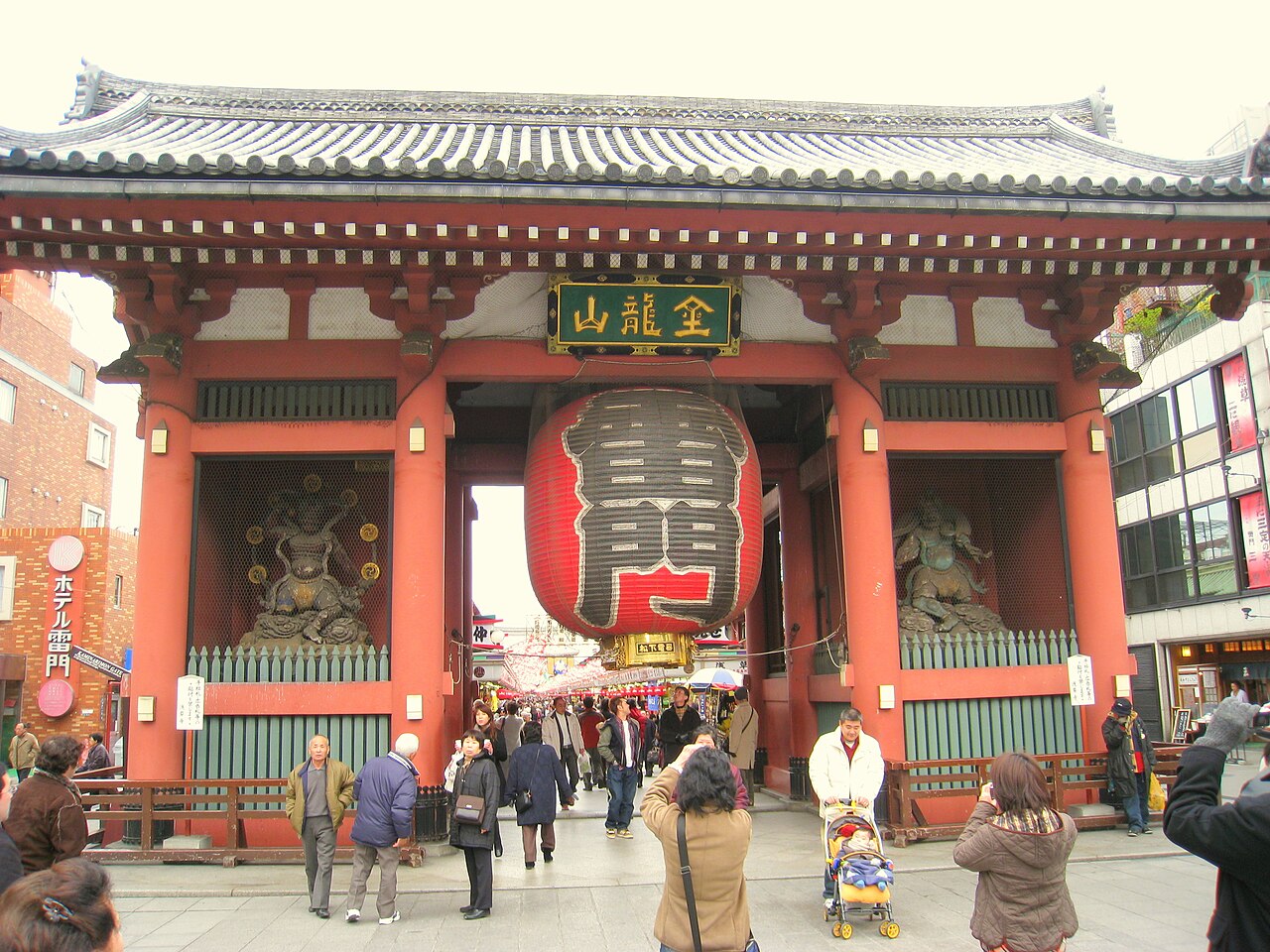
Asakusa: traditional atmosphere
GO TOKYO describes Sensoji as Tokyo's oldest temple[2], and the area around it is organised around that temple. Our view: this suits travellers who want an older feel to the city and a calmer evening than the big western hubs. Because the area sits to the east, check how many transfers you need to reach the places on your list.
Tokyo Station and Marunouchi: the bullet train base
The official area guide for Tokyo Station & Marunouchi area guide[3] covers this part of central Tokyo. Our view: staying near Tokyo Station is convenient if you leave early for another city by bullet train, because you avoid a transfer with luggage. Check the guide for what is nearby, and compare room prices, which can differ from the busier entertainment areas.
Shibuya and other options
Shibuya is the area most visitors know for its famous crossing and shopping. We do not cite a source for any claim about it here, so treat the following as our editorial view only: it suits people who want a busy, youthful atmosphere and do not mind noise. Other areas such as Ueno or Ginza can also work well. Use the same checklist: station access, your route, atmosphere and budget.
Choosing by trip style
| Your priority | Start with |
|---|---|
| First trip, maximum flexibility | Shinjuku |
| Older streets, quieter evenings | Asakusa |
| Early bullet train departures | Tokyo Station area |
| Busy atmosphere and shopping | Shibuya |
If you stay several nights, some travellers split their time between two areas for variety. That adds a hotel change, so weigh it against the extra packing and transfer.
Practical tips that save headaches
- Read the room size. Room sizes vary a lot; the listing states the size, so read it and check the photos.
- Plan your luggage. Stations can involve stairs, so travel light or look into luggage forwarding.
- Check the check-in and luggage policy. Many hotels can hold bags before check-in; confirm with yours.
- Compare cancellation rules. A flexible rate protects you if plans change.
- Book early for busy dates. The best-located hotels tend to go first; check availability as soon as your dates are fixed.
When you are ready to compare real options, you can filter by area, price and cancellation terms on Booking.com or compare prices on Agoda. It is worth checking both, since the same room can have different terms.
Getting around from your hotel
Whichever area you pick, you will rely on trains. Set up a transit card first; our IC card guide explains how. If you will leave Tokyo, read our rail pass guide before buying anything, sort out data with our eSIM vs pocket WiFi comparison, and see how a base fits into our 7-day itinerary.
FAQ
What is the best area to stay in Tokyo for first-timers?
Our editorial recommendation is Shinjuku, because the official guide shows it is served by many lines. Asakusa is a good alternative if you prefer an older, calmer area.
Is it better to stay near Tokyo Station?
It is convenient if you have early bullet train departures. See the official area guide in the Sources box for what is nearby.
Should I stay in two different areas?
For a longer stay it can add variety. For a shorter stay one base is simpler.
Are Tokyo hotel rooms really small?
Room sizes vary. The listing gives the room size, so read it and check the photos before you book.
When should I book?
As soon as your dates are fixed, especially for busy periods. Choose a flexible rate if your plans might change.
Sources
- Rail access at Shinjuku Station: GO TOKYO: A guide to Shinjuku
- Sensoji, Asakusa: GO TOKYO: Sensoji Temple
- Official area guide for Tokyo Station and Marunouchi: GO TOKYO: Tokyo Station & Marunouchi